The Senate has moved a major education reform bill closer to law, approving Senate Bill 1981 otherwise known as Basic Education Voucher Program Act on third and final reading with a unanimous 22-0 vote.
The proposed Basic Education Voucher Program Act seeks to decongest public schools through a nationwide voucher system.
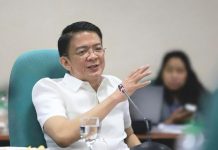
Sen. Bam Aquino, author and sponsor of the bill and chair of the Senate Committee on Basic Education, said the measure would grant educational vouchers to eligible learners from congested public schools so they can enroll in participating private schools.
“Ang ating reporma po ngayon ay tutugon sa tatlong pangunahing issue: congestion, access at pangatlo, pagpapatibay ng sistema laban sakorupsyon. Una po, tugunan ng congestion. Layunin po ng panukalang batas na ito nabawasan ang pagsisiksikan sa mga pampublikong paaralan sa pamamagitan ng private education voucher. Ito po’y magbibigay daan sa mga mag-aaral namakapag-enroll sa mga pribadong paaralan,” he explained.
The bill covers basic education from Kindergarten to Grade 12. It responds to findings of the Second Congressional Commission on Education or EDCOM II, which showed a shortage of at least 165,000 classrooms, with schools facing overcrowding, shifting classes, and unsafe learning conditions.
Priority beneficiaries of the law include students from low-income households, 4Ps families, geographically isolated and disadvantaged areas, Indigenous Peoples, learners with disabilities, and children under foster care.
“Pinagsama-sama na po natin ang lahat ng voucher programs ng gobyerno sa ilalim ng batas na ito. Nais nating bigyan ng kalayaan ang mga mag-aaral na nahihirapan sa mga pampublikong paaralan na pumili ng paaralang angkop sa kanilang pangangailangan,” he added.
Participating private schools and their teachers would also receive support.
The senator said the program forms part of a broader response to the education crisis by complementing classroom construction efforts and strengthening the role of private schools.
The measure also includes safeguards against fraud and abuse, including penalties for violations and mechanisms meant to prevent ghost beneficiaries.
“Sa ilalim ng panukalang ito, paparusahan ang anumang paaralang lalabag sa mga probisyon ng batas. Ang paglabag po ay may kaukulang multa o pagkabilanggo. Dahil ang kailangan po ng mga mag-aaral ay edukasyon at hindi korapsyon,” Aquino said.
With the House counterpart already approved on third reading, the measure is expected to proceed to bicameral deliberations before transmittal to the President. If enacted, it would expand access to private basic education while easing pressure on overcrowded public schools.
“Sa pamamagitan po nito, masisigurado nating mas marami pang kabataang Pilipino ang makakapag-aral sa mga maayos na kapaligiran at makakatanggap ng dekalidad na edukasyon. Tiyakin po natin na walang batang maiiwan sa ating minamahal nabayan,” he said.