Senator Bam Aquino filed Senate Resolution No. 375 calling for a legislative inquiry into Meralco’s recent power rate increase on why middle-class consumers were made to shoulder the electricity subsidies of low-income households, to provide financing of the lifeline rate subsidy and other mandated electricity discounts.
In Senate Resolution No. 375, Aquino is seeking a formal inquiry into the “cross-subsidy” system, a hidden mechanism in monthly electricity statements where non-beneficiary households shoulder the costs of discounts for marginalized sectors and senior citizens. Currently, this results in an additional charge of P20 to P100 per month for the average family.
Mahalaga po yan yung tanong sino nagbabayad? And for the information of the body, I filed the resolution. Looking into this again kung makita natin baka naman may ibang paraan kung saan kaya nating matulungan yung mahihirap nating kababayan. Kasi again the targeting here is based on consumption. Kung maganda ho talaga yung targeting ng DSWD eh baka uh merong mga listahan na mas maayos na pwedeng magamit. Yung paggamit ho kasi ng consumption, you don’t really know diba,” he said.
The senator said that while supporting the poorest of the poor is a national priority, the financial burden should rest on the government’s budget and not on the bills of other struggling Filipinos.
He is calling for a major shift in how electricity subsidies are funded, insisting that the government not the consumer should pay for social discounts.
He emphasizes that we must scrutinize these additional fees because so many Filipinos are already struggling to get by. According to the senator, the public shouldn’t have to bear the weight of these costs if the government has the funds available for aid. Aquino’s goal is to find a system that helps the poor without unfairly taxing the middle class.
The senator believes that by using the national budget instead of consumer bills, the system becomes more transparent and keeps energy costs down for everyone.
Senate Resolution 375 aims to uncover the exact amount being collected from consumers for subsidiesand proposes using the DSWD’s 4Ps list instead of simple consumption levels to ensure aid reaches the truly marginalized.
The resolution also explores full or partial funding through the national budget to promote fiscal accountability and protects the “bottom 30%” and the middle class who are currently excluded from existing aid but remain vulnerable to inflation.
Aquino’s proposal is to shift the funding for electricity subsidies to the National Budget by utilizing the government’s coffers instead of the consumer’s pocket.
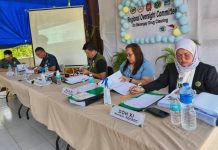
During recent Proactive Response and Oversight for Timely and Effective Crisis Strategy (PROTECT)committee hearing, he challenged the status quo, highlighting the frustration of the “invisible” middle 30% of the population who pay their taxes but receive no relief while being asked to subsidize others.
So just to make my point here, chairman yung cutoff kasi natin plus the 4Ps again they represent the bottom 30% of the country. Yung next 20% at yung sunod na 20% or 30% lahat yan nangangailangan. So ‘yung umaalma talaga ang pakiramdam nangangailangan rin kami ng tulong. Nagbabayad naman kami ng buwis ba’t nasasama pa sa kuryente natin,” he said.
He clarified that the goal is not to take away help from the poor but to fix a broken system of payment.
We can look into it. Maybe we can fund it in another way or maybe we can increase kung sino yung pwedeng makakuha ng tulong dito. And I hope we can we can ask for your support to try to understand this better,” Aquino added.
At the heart of Aquino’s legislative reform package is Senate Bill 670, known as the “Kuryenteng Walang VAT Bill.” The measure seeks to remove the 12% VAT on electricity to provide immediate relief to households and Micro, Small, and Medium Enterprises (MSMEs).
Through Senate Bill 670 and Senate Resolution 375, Senator Bam Aquino seeks to dismantle the burden of excessive electricity costs, shielding Filipino households from inflation.