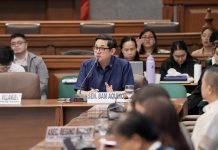
Mayor Sebastian “Baste” Duterte criticized greed and oligarch influence as major factors behind the country’s continuing public service problems, saying powerful business groups resisted reforms introduced during the administration of former president Rodrigo Duterte.
Speaking during the launch of the Reform Alliance for Accountability for Good Governance and Ethics (RAGE)–Mindanao at the Davao Convention Center on Saturday night, the Davao City mayor said his father challenged entrenched systems that had long slowed economic growth and limited opportunities for ordinary Filipinos.
According to Duterte, some wealthy business figures opposed reforms because broader access to opportunities could weaken their dominance and reduce their profits.
He said empowering more Filipinos economically would encourage independent thinking and greater public criticism, something he claimed certain influential groups wanted to avoid.
The mayor also defended the Duterte administration’s collection of taxes and government obligations from large corporations, saying the funds were intended to improve public services and provide direct benefits to citizens.
Duterte pointed to support for Philippine General Hospital as an example of how public funds should be used to strengthen healthcare services for Filipinos.
He also mentioned the controversial P60-billion transfer involving Philippine Health Insurance Corporation, noting that the funds were eventually ordered returned following a Supreme Court ruling declaring the transfer unconstitutional.
The mayor raised concerns about the daily struggles of minimum wage earners, particularly those facing medical expenses, rising food prices, and educational costs.
He warned that continued failures in delivering basic government services could further worsen poverty and public distrust in institutions.
Duterte said greed and the pursuit of money remain among the biggest obstacles to good governance, arguing that corruption and inequality continue to harm the country’s long-term future.
He ended his speech by questioning whether future generations of Filipinos would still be able to enjoy stability and comfortable lives if government institutions fail to adequately serve the public.