Davao City is looking to capitalize on the growing “bleisure” market, combining business travel and leisure, to encourage longer visitor stays, increase tourism spending and generate more economic opportunities for local businesses.
The strategy seeks to encourage delegates and corporate travelers attending meetings, incentives, conferences and exhibitions (MICE) to explore the city’s attractions, experience its food scene and visit nearby destinations beyond their scheduled business activities.
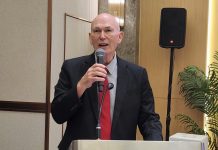
Willenito P. Tormis Jr., officer-in-charge of the Davao City Tourism Operations Office (CTOO), highlighted the city’s potential to attract bleisure travelers during the 3rd DATA Hospitality and Tourism Experience Conference (HTX 2026) on Friday.
“What sets Davao apart is our ‘bleisure’ advantage. Yes, business to leisure, bleisure advantage,” Tormis said.
He reported that Davao City recorded nearly 1.5 million tourist arrivals as of August 2026, reflecting renewed tourism activity and the city’s efforts to strengthen its appeal as a travel destination.
“Davao City is thriving, evolving, and at a powerful turning point right now. And we’re very, very happy because Davao is not just known for something in the news, but we are known bigger and brighter than ever for this moment,” he said.
Tormis also pointed to the city’s tourism recognitions and major events, including the Kadayawan Festival, as contributors to its growing appeal.
He said Davao City had been recognized as the country’s top travel destination for two consecutive years and recorded its highest tourist arrivals since the pandemic.
“We are happy and we’re very positive, looking forward na we’ll be able to achieve our goal for this year’s tourist arrivals. And hopefully by next year we can have more, more, more and more people to visit and explore the beauty of our city and our region,” Tormis added.
Beyond increasing visitor numbers, he said the bleisure strategy aims to maximize tourism revenues by persuading business travelers to extend their stays for leisure activities.
Convention delegates, for instance, can visit countryside destinations, agricultural tourism sites, local food establishments and cultural attractions. Nearby Samal Island also offers beach destinations accessible from Davao City.
Tormis said longer stays could generate additional business for hotels, restaurants, transport operators, tour providers and micro, small and medium enterprises (MSMEs) through increased accommodation bookings, dining expenses and tour packages.
The approach could also help tourism establishments maintain demand outside major festivals and peak travel periods, supporting more consistent business throughout the year.
Tormis identified MICE development, agritourism, air and transportation connectivity, halal tourism, inclusive festivals and experience tourism as six priorities for the next phase of the city’s tourism development.
He said these initiatives could expand Davao’s visitor base while creating stronger links between tourism and local farmers, producers, communities and service providers.
Improved connectivity and coordinated tourism packages will also be essential in making it easier for visitors to combine business commitments with leisure activities, he added.
Tormis emphasized that sustaining the city’s tourism momentum requires the participation of residents and stakeholders across different industries.
“So again, hats off to all the people involved because this is not just the effort of the tourism sector, but all the Dabawenyos, all the people, lalo na ang mga normal Dabawenyos who really gear up and help our city to be who it is or to be what it is today,” he said.
As Davao City works toward its tourism targets, Tormis said the challenge is to translate rising visitor arrivals into longer stays, greater local spending and wider economic benefits.
By making leisure experiences an extension of business travel, the city hopes to strengthen its competitiveness as a MICE destination and encourage more visitors to explore Davao and the wider Mindanao region.