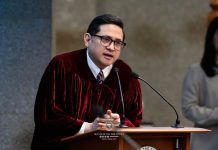
Councilor Myrna Dalodo-Ortiz, chairperson of the Committee on Tourism and Beautification, is seeking to institutionalize community-based tourism in Davao City, underscoring its potential to promote inclusive economic growth, preserve cultural heritage, and empower local communities.
During her privilege speech at Tuesday’s regular session of the City Council, Dalodo-Ortiz called for the inclusion under First Reading of a proposed ordinance establishing the Community-Based Tourism Framework of Davao City.
She emphasized that Davao City’s rich cultural heritage, vibrant traditions, and diverse Indigenous Peoples (IP) communities are among its greatest assets—resources that can serve as drivers of sustainable development while strengthening cultural identity.
“Davao City is blessed with rich cultural heritage, diverse Indigenous Peoples communities, vibrant traditions, and unique local experiences that reflect the identity of our people. These resources are not only valuable cultural assets but also present opportunities for sustainable economic growth and community empowerment,” she said.
According to Dalodo-Ortiz, many communities across the city possess untapped tourism potential that can be developed through community-based tourism initiatives. Such programs would enable residents to showcase their culture, traditions, local products, indigenous knowledge systems, and way of life while creating sustainable livelihood opportunities.
“Through Community-Based Tourism, communities are given the opportunity to showcase their culture, traditions, local products, indigenous knowledge systems, and way of life while generating sustainable livelihoods and preserving their heritage for future generations,” she said.
The councilor stressed that community-based tourism places local communities at the heart of tourism development, ensuring that they are active participants and direct beneficiaries of economic opportunities generated by the sector.
“Community-Based Tourism ensures that the benefits of tourism are felt directly by the communities themselves, making them partners rather than mere spectators in development,” Dalodo-Ortiz added.
She also highlighted the importance of balancing economic advancement with cultural preservation and environmental sustainability, noting that responsible tourism development must protect the very resources that make communities unique.
Dalodo-Ortiz said local policymakers should explore legislative measures that will provide communities with the necessary support, guidance, and institutional framework to implement sustainable and responsible tourism initiatives.
She further noted that referring the proposed ordinance to the appropriate committee would pave the way for broader stakeholder consultations involving Indigenous Peoples groups, tourism practitioners, government agencies, and civil society organizations. Their participation, she said, would help strengthen the measure and ensure that it reflects the needs and aspirations of local communities.
The councilor subsequently moved for the inclusion of the proposed ordinance under First Reading and its referral to the appropriate committee for further study, consultation, and recommendation.
If approved, the measure is expected to establish policies and mechanisms that will strengthen community participation in tourism development while safeguarding Davao City’s cultural heritage, local traditions, indigenous knowledge systems, and environmental resources for future generations.