Economic zone development in Mindanao is expected to gain fresh momentum following a strengthened partnership between the Philippine Economic Zone Authority (PEZA) and the Mindanao Development Authority (MinDA).
The two agencies formalized their collaboration through the signing of a Memorandum of Understanding (MOU) on February 24 at the PEZA head office. The agreement underscores a unified strategy to accelerate ecozone expansion and attract more investments to the region.
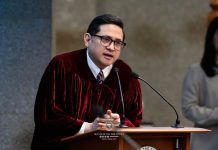
The MOU was signed by MinDA Chairperson Secretary Leo Tereso Magno and PEZA Director General Tereso Panga signaling a coordinated push to position Mindanao’s economic zones as key drivers of regional and national growth.
Central to the partnership is the alignment of ecozone initiatives with the Mindanao Development Corridors Program. Magno said prioritizing areas identified under the program will help ensure that investments generate long-term economic gains and create meaningful opportunities for local communities.
Under the agreement, PEZA and MinDA will enhance interagency coordination, provide technical assistance, harmonize investment planning, and jointly pursue business matching activities aimed at drawing both local and foreign investors.
The collaboration also highlights the importance of public-private partnerships in advancing inclusive development. By strengthening ecozones, the agencies aim to spur industrialization, expand employment, and improve Mindanao’s competitiveness as an investment destination.
Panga noted that 42 out of the country’s 436 operational economic zones are already located in Mindanao, reflecting the region’s increasing significance in the national investment landscape. He said closer coordination with MinDA and local government units, under the supervision of PEZA Zone Administrator Abdullah Adel-Khan P. Alug, will further streamline processes such as ecozone registration, investment facilitation, and the administration of fiscal incentives.
For his part, Magno reaffirmed MinDA’s commitment to working closely with local governments, national agencies, and private stakeholders to strengthen existing ecozones and identify new high-potential sites consistent with the development corridor framework.
He described the MOU as a concrete step toward building a more competitive and investment-ready Mindanao, anchored on the national government’s broader strategy to expand ecozone development beyond traditional urban centers and promote sustainable countryside growth.