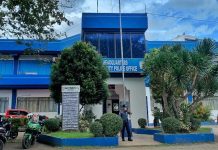
The Mindanao Development Authority (MinDA) on Thursday dismissed claims branding Mindanao as a “terror hotspot,” saying such narratives are unfounded and based on misleading assumptions tied to the reported travel history of the Bondi Beach attack suspects.
MinDA issued the statement following reports that two individuals allegedly linked to the mass shooting in Sydney, Australia, stayed at a hotel during a visit to Davao City last month.
MinDA Chair Secretary Leo Tereso A. Magno said it is unjust to characterize the entire region based on the movements of a few individuals, warning that such conclusions distort realities on the ground.
“These portrayals are misleading and unfair,” Magno said, referring to international reports suggesting Mindanao is a hub for ISIS-linked terrorism.
“Mindanao is not a terror hotspot. It is a region moving forward—committed to peace, progress, and inclusive development. There is no evidence that any planning, radicalization, or operational support for the attack occurred here,” he added.
Magno emphasized that Mindanao regularly hosts millions of tourists, investors, overseas workers, and foreign nationals each year for legitimate purposes.
“Mere presence does not equate to complicity,” he said.
He noted that the region has achieved significant improvements in stability and security compared to previous decades, crediting sustained peace initiatives, strengthened counterterrorism coordination, and community-based security programs.
“These hard-won gains have helped improve Mindanao’s safety, investment climate, and economic prospects,” MinDA said.
The agency cautioned that sensational labeling could reverse progress by deterring investors and visitors, while unfairly stigmatizing communities that have actively rejected extremism and supported peace-building efforts.
MinDA reaffirmed its commitment to collaborate with national security agencies, local governments, and international partners to ensure Mindanao remains safe and welcoming.
Magno also called on media organizations and commentators to practice accuracy and restraint, stressing that irresponsible reporting could harm regional peace and economic confidence.
Meanwhile, Philippine authorities continue to look into the visit of the two individuals to Davao City.
National Security Adviser Secretary Eduardo M. Año said in a December 17 statement that authorities are verifying the suspects’ travel records and coordinating closely with Australian counterparts.
According to Año, the individuals traveled from Manila to Davao City between November 1 and 28, 2025. One entered the country using an Indian passport, while the other traveled on an Australian passport.
“Security agencies are still determining the purpose of their visit, but there is no intelligence or confirmed report indicating that either individual underwent military or terrorist training in the Philippines,” Año said.
“A visit alone does not substantiate claims of terrorist training,” he added, noting that the length of their stay would not have allowed for any structured or meaningful training.
The National Security Council said the investigation is focused on clarifying the nature of the suspects’ activities in Davao City amid reports attempting to link their presence in Mindanao to violent extremism.