The Independent Commission for Infrastructure (ICI) clarified that its recent inspection activities in Davao City form part of a nationwide infrastructure audit and are not targeted investigations specific to the city.
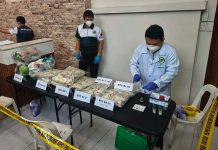
Officials from the Department of Public Works and Highways (DPWH) and ICI conducted joint site visits on Wednesday, inspecting several major public works projects and collecting material samples and documents for review.
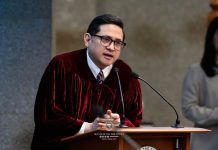
Leading the inspection team were DPWH Undersecretary Arthur Bisnar, ICI Special Adviser Gen. Rodolfo Azurin Jr., and Baguio City Mayor Benjamin Magalong. Among the projects inspected were the Road Slope Protection and Rockfall Netting project at Shrine Hills in Matina, the Davao River Dike in Matina Gravahan, and the flood control structure in Callawa, Calinan District.
Azurin emphasized that the Davao inspection is part of a broader assessment covering 421 infrastructure projects nationwide, including 51 in Davao City, as part of efforts to promote transparency and accountability in public construction.
“Of the 421 projects turned over to us by DPWH for audit, we’re assessing various areas nationwide. Some thought we were focusing only on Bulacan or Central Luzon, but as you can see, our teams are also deployed here in Davao City,” Azurin explained.
The ICI official said that all construction material samples gathered during the inspection will undergo laboratory testing to verify whether they meet DPWH standards and technical specifications.
During the Davao inspection, the team noted signs of erosion and visible structural damage along portions of the Davao River Dike — a project reportedly completed less than two years ago.
“We inspected the rock netting and the flood control dike projects and observed damage and erosion despite their recent completion. We’ll review the contract documents to determine possible sanctions or corrective measures for the contractors,” Azurin told reporters.
He added that all materials collected will be subjected to quality control testing under the supervision of the DPWH. The results of the audit, he said, will serve as the basis for further actions, including contract reviews, sanctions, or potential legal charges if substandard work or irregularities are confirmed.