The Mindanao Development Authority (MinDA), in partnership with the World Bank, is enhancing Mindanao’s capacity for evidence-based economic planning and job creation through the Mindanao Growth and Jobs Workshop held from October 27 to 29, 2025.
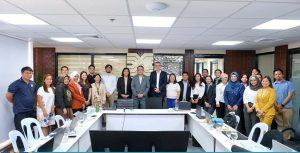
The three-day technical workshop gathered regional planners, academics, and local government representatives to explore strategies for inclusive, job-rich growth in the region.
In his remarks, MinDA Secretary Leo Tereso A. Magno expressed appreciation for the collaborative efforts driving the initiative.
“We thank the World Bank for bringing in experts who help us see the bigger picture and sharpen our strategies. We also acknowledge our partners—from national agencies to local universities—for working together so we can design solutions that respond to Mindanao’s unique challenges and opportunities,” Magno said.
A key highlight of the workshop was the presentation of the Philippines Growth and Jobs Report, a flagship World Bank study outlining pathways to faster, more inclusive, and employment-generating growth.
World Bank experts Dr. Gonzalo Varela, Senior Economist, and Dr. Andreas Eberhard-Ruiz, growth and jobs analytics expert, led the sessions, guiding participants through frameworks that connect macroeconomic performance with structural transformation, job creation, and poverty reduction.
MinDA Executive Director Undersecretary Janet M. Lopoz emphasized the importance of ensuring that economic growth translates into real benefits for Mindanawons.
“Our challenge is not only to sustain growth, but to make sure that it creates better jobs, raises productivity, and uplifts the lives of Mindanawons. This workshop is about equipping our institutions with the tools to do just that—through data, dialogue, and decisive action,” Lopoz said.
Participants also engaged in hands-on exercises using Mindanao-specific datasets to examine regional disparities in productivity, employment, and income.
Magno said the workshop aims to strengthen the capacity of local institutions to design and implement targeted interventions that promote equitable and sustainable development.
The participating agencies included the Bangsamoro Planning and Development Authority (BARMM-BPDA), Philippine Statistics Authority (PSA), Department of Development (DepDev), and academic institutions such as Bukidnon State University (BUKSU), University of the Philippines Mindanao (UPMin), University of Southeastern Philippines (USEP), University of Southern Mindanao (USM), and Ateneo de Davao University (AdDU).
According to Magno, the initiative forms part of MinDA’s ongoing collaboration with the World Bank to build institutional capabilities for regional development planning. Insights from the workshop will help shape the implementation of the Mindanao Agenda, MinDA’s long-term vision for a peaceful, prosperous, and inclusive Mindanao.
He added that the effort also supports the administration of President Ferdinand R. Marcos Jr., aligning with his commitment to regional equity, job creation, and innovation-driven growth under the Bagong Pilipinas vision.
“By deepening partnerships and strengthening local capacities, the Mindanao Growth and Jobs Workshop underscores the shared goal of ensuring that no region—and no Mindanawon—is left behind,” Magno said.